Understanding 3D Printer Price: What Determines the Cost?
As additive manufacturing becomes more accessible across industries and creative fields, one question continues to dominate buyer research: what determines the 3d printer price? The answer is not straightforward, because pricing varies widely depending on technology, materials, performance capabilities, and intended use. From hobbyist machines to advanced industrial systems, understanding the factors behind pricing helps users make informed decisions rather than focusing on cost alone.
Why 3D Printer Prices Vary So Much
The cost range for 3D printers extends across a vast spectrum of price levels. Entry-level desktop models may cost only a few hundred dollars, while advanced manufacturing systems can reach tens or even hundreds of thousands. The different purposes of 3D printers create this price discrepancy between various printer models.
Consumer-grade printers are typically designed for prototyping, educational use or small creative projects. These machines focus on creating affordable products which users can operate with basic skills. The 3D printer used for industrial purposes requires construction which enables exact part creation and nonstop operation and production of large quantities.
The implementation of advanced automation, together with higher reliability requirements and tighter tolerance standards, drives up operational costs.
The pricing structure of products shows different printing technologies, which determine their value. Fused deposition modelling (FDM) resin-based printing and powder-bed fusion, together with large-format extrusion systems, each need unique hardware specifications which handle different material processes.
Key Factors That Influence 3D Printer Price
Several technical and operational factors directly impact how manufacturers price 3D printers.
1. Build Volume and Size
Larger machines capable of printing bigger components require stronger frames, advanced motion systems, and more powerful heating elements. As build size increases, the overall 3d printer price typically rises as well.
2. Material Compatibility
Basic printers usually support common thermoplastics like PLA or ABS. Industrial systems handle engineering-grade polymers together with composites and recycled materials. The expanded material compatibility of machines results in increased operational complexity and higher equipment expense.
3. Precision and Resolution
Better measurement results depend on three essential components: improved calibration systems, advanced sensor technologies and enduring mechanical parts. The aerospace, automotive, and medical manufacturing industries all require their equipment to maintain precise dimensional measurements, which increases their operational costs.
4. Automation and Software Integration
Modern industrial 3d printer setups frequently include automated bed levelling, remote monitoring, workflow integration, and predictive maintenance features. These capabilities improve productivity but also increase upfront investment.
5. Production Speed
Faster printers use three technologies to achieve their speed, which include optimised extrusion systems, multi-nozzle configurations and high-flow material delivery mechanisms. The engineering complexity of a project creates equipment costs which increase with every speed improvement.
Industrial 3D Printer vs Desktop Systems
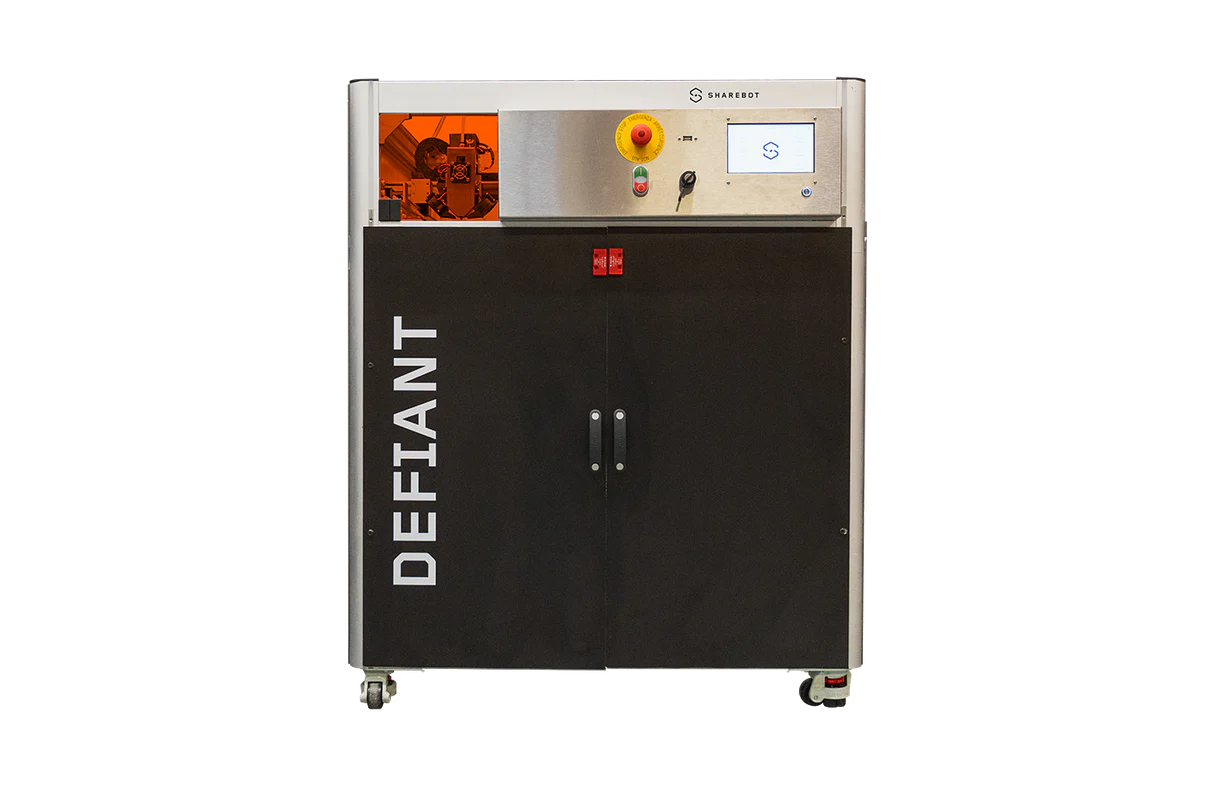
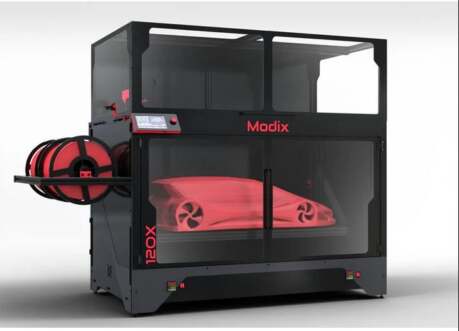
An industrial 3d printer differs from desktop alternatives not only in size but also in operational purpose. Industrial machines are designed for repeatability and scalability. They are often used for tooling, end-use parts, and short-run manufacturing rather than simple prototypes.
These systems typically include reinforced frames, temperature-controlled chambers, and advanced slicing software. While the initial 3d printer price may appear high, businesses often evaluate cost in terms of productivity, reduced material waste, and shorter manufacturing lead times.
Desktop printers, meanwhile, remain ideal for experimentation, education, and early-stage design testing where production-grade performance is not required.
The Growing Role of Pellet 3D Printer Technology
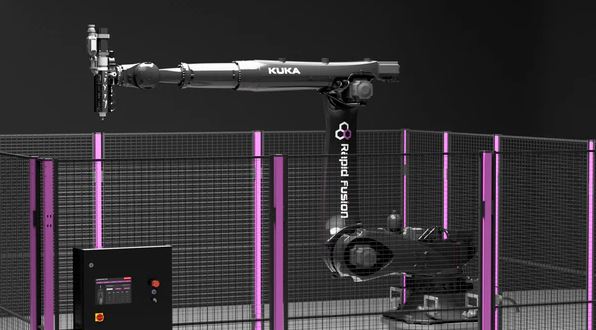
The pellet 3d printer represents an emerging category which impacts pricing discussions. The pellet printer system operates differently from traditional machines, which use filament, because it uses raw plastic pellets as its main feed material. The method enables substantial savings on material expenses, which become more significant when executing extensive printing operations.
Industrial facilities which produce large parts and need environmentally friendly operations find pellet systems to be their most effective solution. The widespread availability of pellets at lower prices than filament enables companies to save money throughout their operations despite their need to invest more in equipment costs.
The printers achieve higher material deposition speeds, which makes them suitable for manufacturing furniture and building construction prototypes and producing large industrial products.
Looking Beyond the Initial Cost
The total cost of ownership must be evaluated because it provides a complete view of expenses associated with a 3D printer, extending beyond the initial 3d printer price. Long-term value depends on several factors, including maintenance needs, material costs, energy usage, and how efficiently workflows operate over time. Individuals often prioritise affordability and ease of use when comparing the overall 3d printer price and available features.
For businesses, 3D printers need to operate at their highest potential because their operational costs for 3D printing will exceed the equipment’s initial purchase price. The process of establishing the correct pricing category starts with comprehensive knowledge about printer operation needs and expected results from the technological system.
Start Your 3D Printing Journey with Evo3D: Understanding 3D Printer Price and Long-Term Value
The wide spectrum of 3d printer price options reflects the expanding role of additive manufacturing across industries and creative applications. Whether comparing a desktop machine, an industrial 3d printer, or a pellet 3d printer, pricing ultimately aligns with performance, scalability, and material capability. By focusing on application needs rather than cost alone, users can better evaluate which type of 3D printing technology delivers the most practical long-term value.