3D Printer Technology Explained: FDM, SLA, and SLS
The 3D printer has genuinely revolutionised manufacturing, design, and prototyping in all sectors. Now, everyone from hobbyists to engineers can make intricate industrial parts using 3D printing technology.
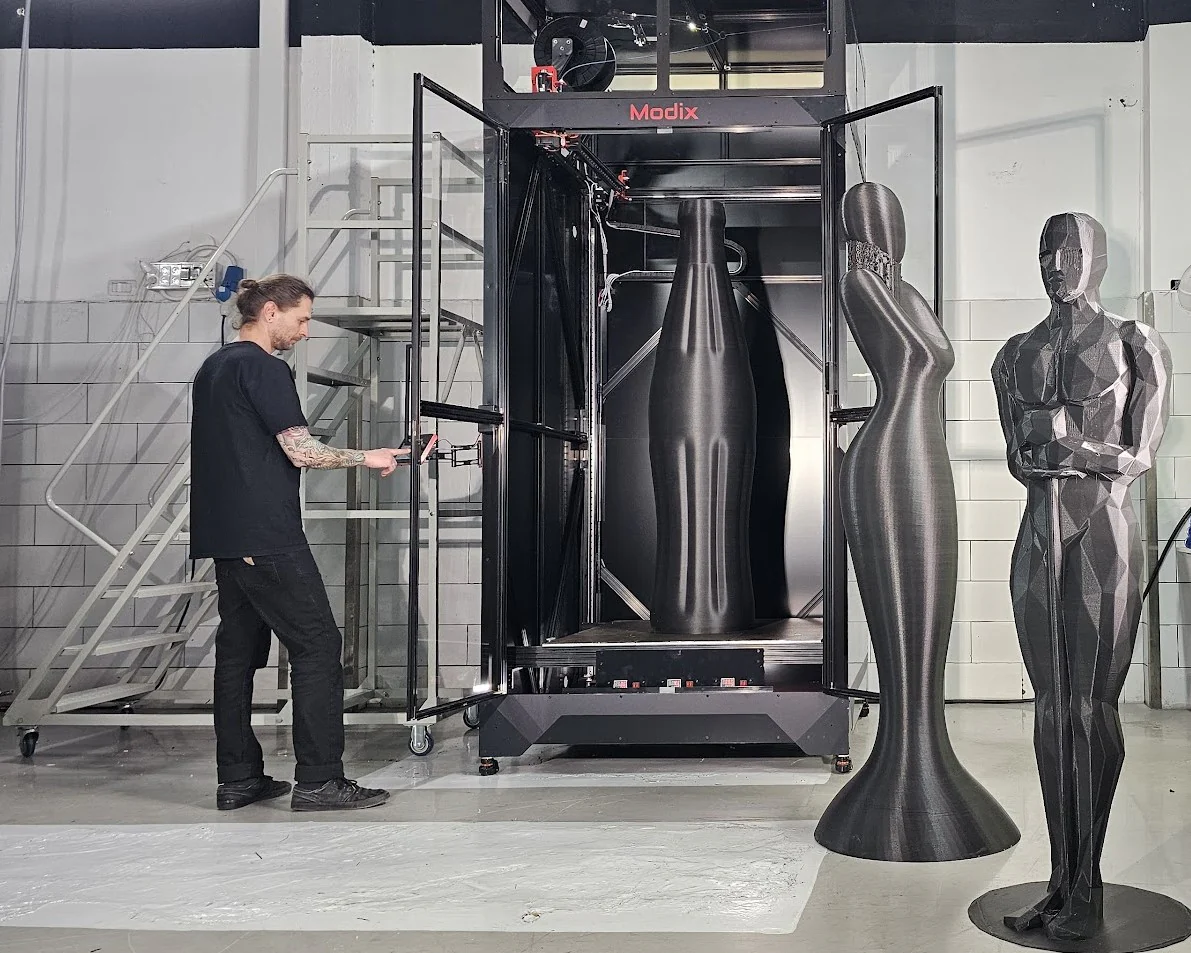
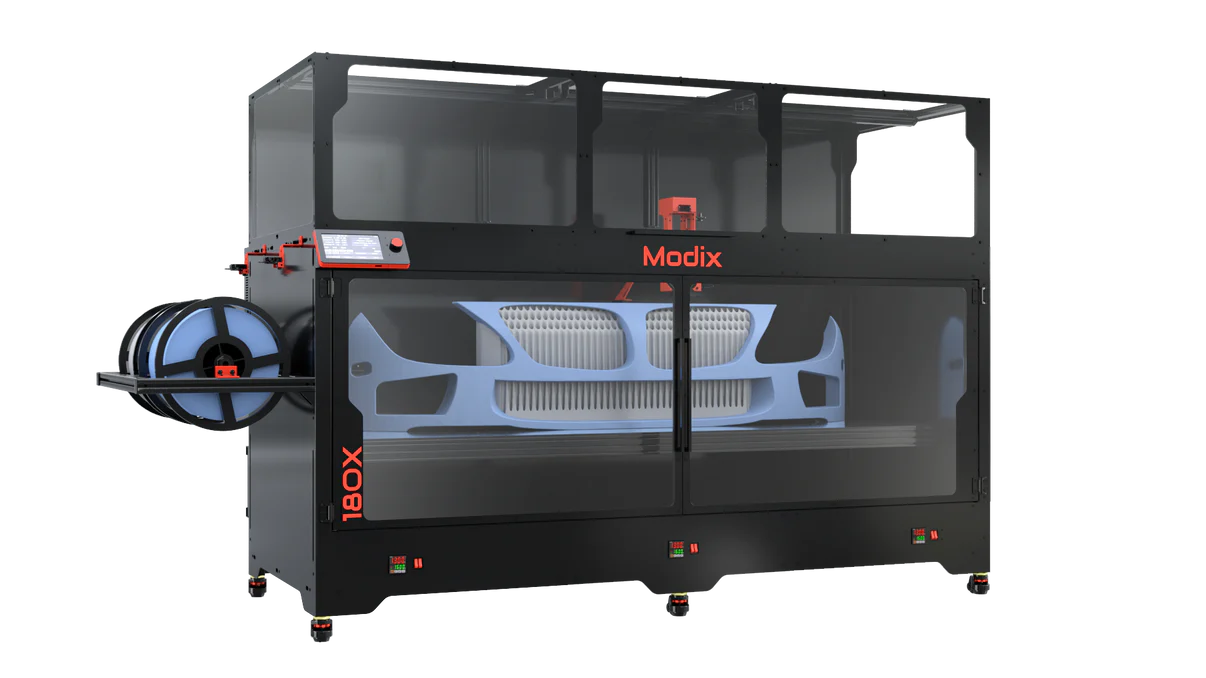
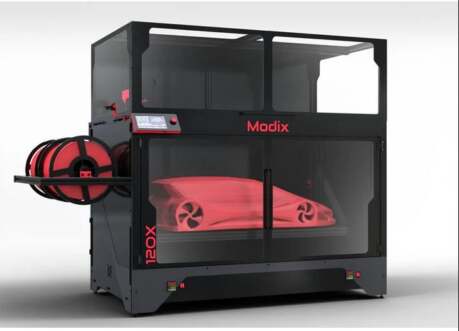
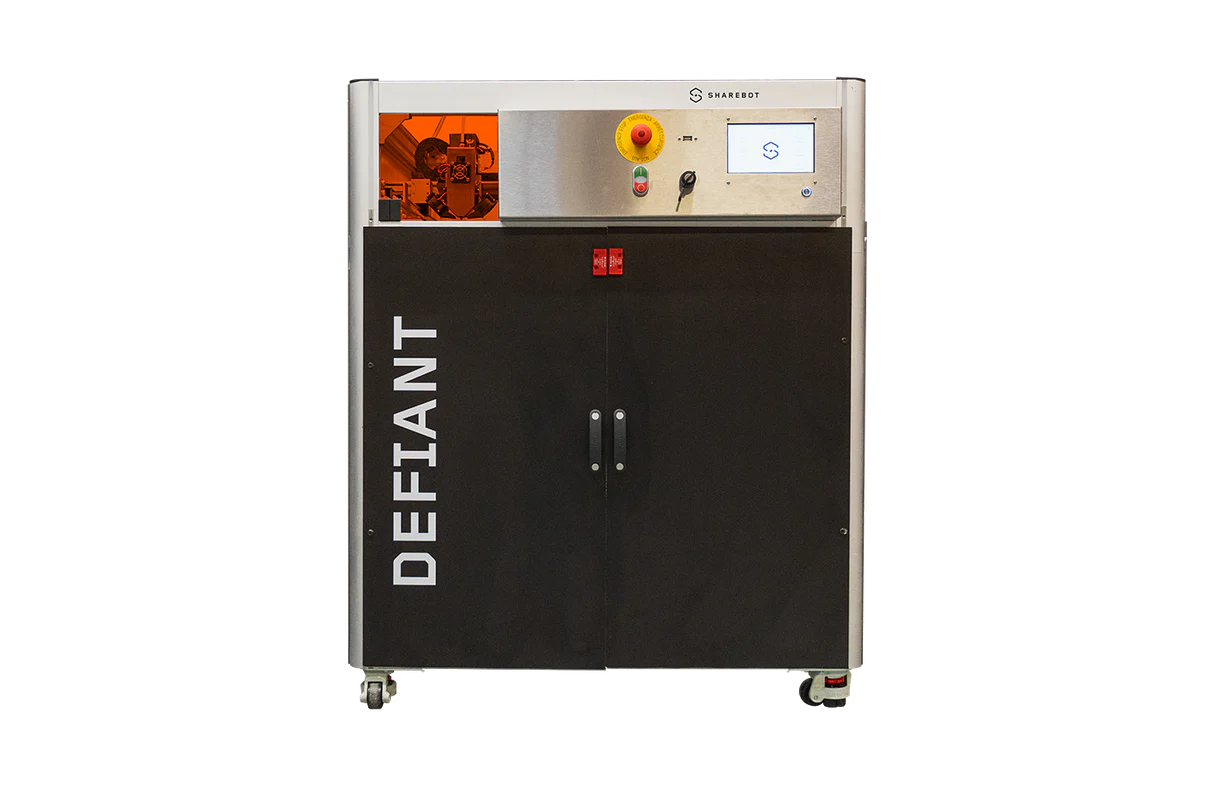
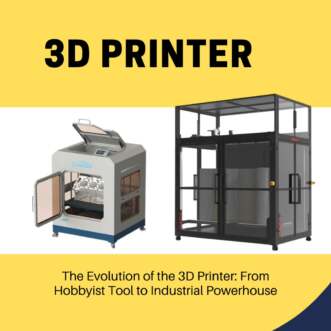
At Evo3D, we provide different types of printers, including the large-format FDM printers, as well as industrial 3D printers in the UK. Since there are a number of printing technologies available in the market, it’s good to know which one is right for you. Let’s learn about these different printing technologies in this blog, so you can choose responsibly.
Understanding the Main 3D Printing Technologies
There is a variety of 3D printing technologies, and all of them have their pros and cons and best practice considerations. The most common printing technologies are FDM, SLA, and SLS.
1. Fused Deposition Modelling (FDM)
FDM is one of the most common forms of 3D printing technology, particularly for novices and small or medium businesses. FDM works by melting a thermoplastic filament and depositing, layer over layer, to produce a 3D object.
Its pros are that it’s low-cost, easy-to-operate, and compatible with a number of materials. However, its cons are that the layer lines are visible, and the fine detail can be less precise than other technologies.
The FDM technology is perfect for making prototypes, functional parts, and basic product development. If you work on larger projects, a large-format FDM printer can easily produce bigger components without compromising on quality.
2. Stereolithography (SLA)
Stereolithography (SLA) uses a laser to cure liquid resin layer by layer. This way, it can make high-resolution parts that have smooth surfaces. This technology is popular in industries that demand a lot of detail and precision, like dentistry, jewellery, and product design.
The pros of SLA are that it can create extremely detailed prints and also give a smooth surface finish. However, resin can be expensive, and SLA also needs post-processing for cleaning and curing parts.
SLA printers are especially suited for producing detailed prototypes, small complex parts, and aesthetically pleasing models.
3. Selective Laser Sintering (SLS)
Selective Laser Sintering (SLS) uses powdered material, like nylon or polyamide, and with the help of a laser, it “sinters” or fuses the powder into a solid part layer by layer. The SLS process doesn’t require support, unlike filament-based technologies (FDM) and SLA technologies. As a result, complex geometries and functional parts can be produced with ease.
As for the pros, SLS technology, as we discussed, produces strong and durable parts, can produce very complex geometries, and does not need support. On the other hand, SLS is more expensive than FDM, has powder handling requirements, and is usually slower than FDM in producing simple parts.
SLS is ideal for creating functional prototypes, engineering parts, and small production runs.
Factors Affecting 3D Printer Price
The 3D printer price depends on its technology, build size, material compatibility, and manufacturer. On one hand, FDM machines for hobbyists can start as low as £150, while professional SLA and SLS systems may cost you thousands. Large-format FDM printers and industrial 3D printers in the UK are generally more expensive because of their size, precision, and reliability. However, the price is usually worth it because of the higher production capacity and long-term value.
When evaluating a printer, it’s important that you consider the total cost of ownership. This includes materials, maintenance, and software. After evaluating everything, you can make the right choice.
Choosing the Right 3D Printer
You should select the right 3D printer depending on your specific requirements:
● Hobbyists & Education: Desktop FDM or SLA printers are perfect for prototyping and learning.
● Professional Design & Prototyping: You can explore mid-range SLA or SLS machines for high detail and accuracy.
● Industrial Manufacturing: It’s best to go for large-format FDM printers and industrial-grade SLS systems for production-scale parts.
Get High Quality 3D Printers at Evo3D
If you’re thinking of getting a 3D printer, it’s important to understand the differences between the various technologies like FDM, SLA, and SLS. Whether it’s for creating prototypes, detailed models, or production parts, there is a solution that can match your needs and budget.
At Evo3D, we have a wide range of 3D printers, including industrial and large format options, so you can confidently adopt 3D printing technology and use the full potential of additive manufacturing. Our team also helps with training, upgrades, maintenance, and material selection, making us a trusted partner for all your 3D printing needs.
So explore Evo3D’s collection of 3D printers today and take your projects to the next level.