Tips to Maximise Accuracy and Quality on a Large Build Volume 3D Printer
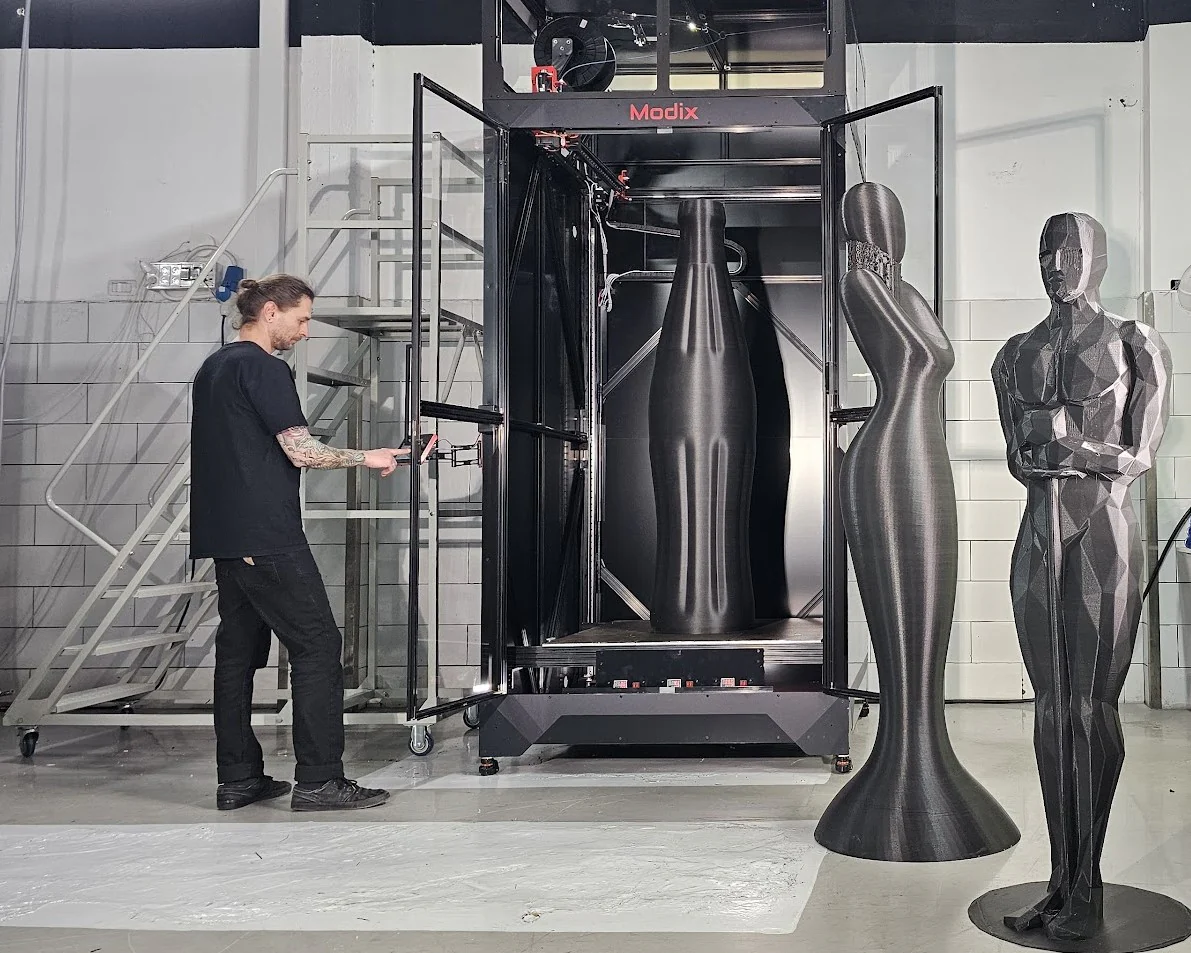
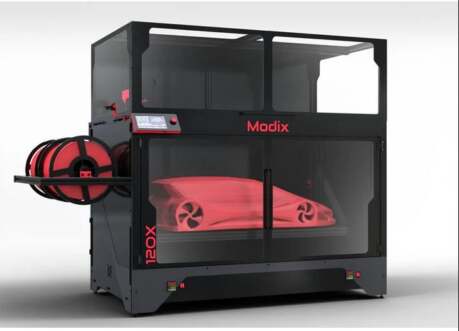
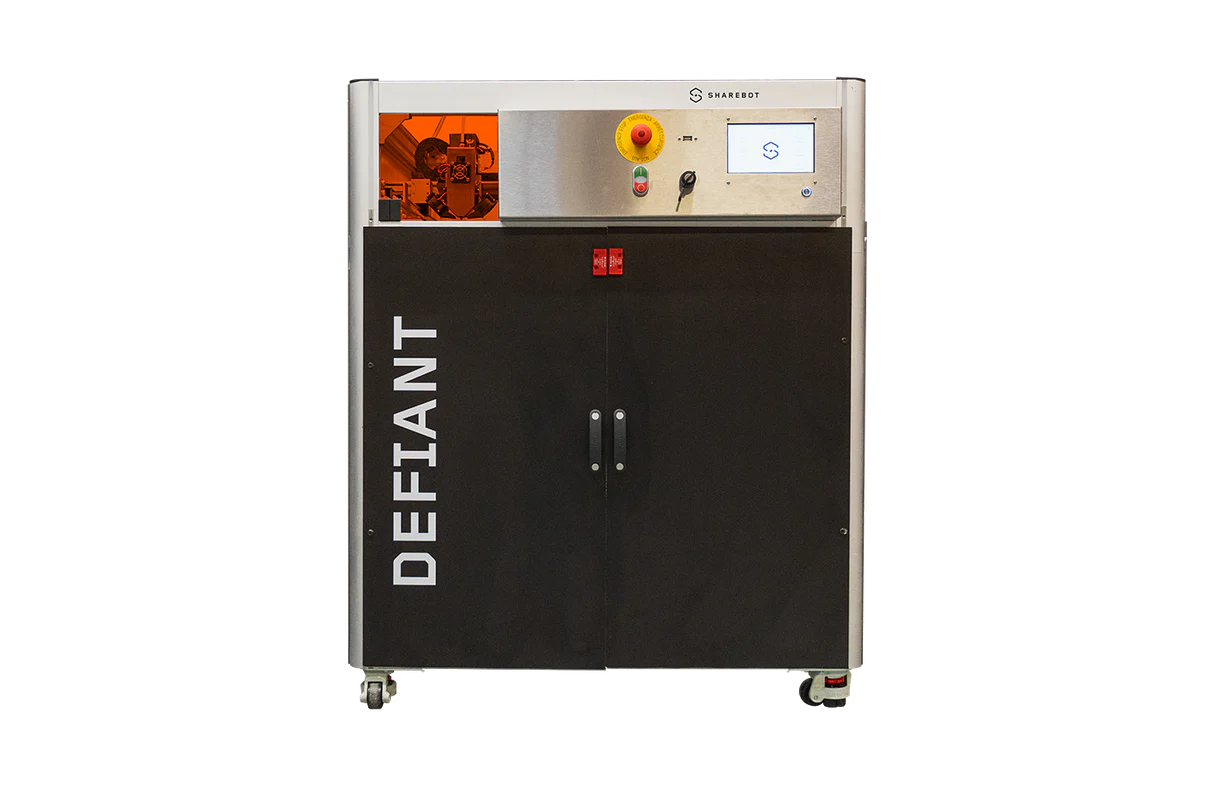
In modern manufacturing, accuracy and quality are the most important things. Large build volume 3D printers are now being used in UK businesses and educational institutions to make functional prototypes, tooling and end-use components. Although such machines open the possibilities of larger and more complicated components, they also introduce special problems in terms of accuracy and surface quality. At Evo3D, we collaborate with organisations to make sure that industrial-grade additive manufacturing has consistent and reliable outcomes.
This blog discusses practical strategies in ensuring accuracy and quality maximisation when using a large build volume 3D printer.
Understand the Limitations and Strengths of Your Machine
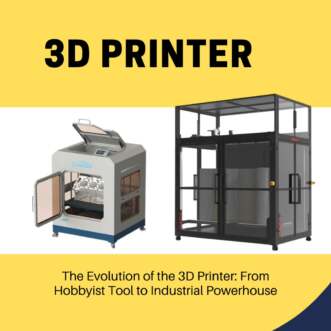
Each large build volume 3D printer has its own capabilities, tolerances, and material compatibilities. Industrial 3D printers, especially those designed for continuous operation, can handle complex parts, but scale can amplify small issues. Large builds can be greatly affected by thermal expansion, mechanical drift or material variations that would otherwise be negligible on small prints.
The basis of successful printing is knowing the specifications of your machine (layer resolution, maximum print size, the materials it can work with, etc.). At Evo3D, we help clients choose industrial 3D printers that can fit their purposes and objectives.
Calibrate and Maintain Regularly
To have a consistent output, a well-calibrated 3D printer is necessary. Machines with large formats have longer axes and heavier print heads. Thus, any slight misalignment can cause the layers to shift or warp during the long printing periods. Calibration of bed levelling, extrusion rate and axis alignment should be done regularly.
Routine maintenance also guarantees maximum performance. Inspect bearings, loose screws and lubrication. Industrial 3D printers are designed to be reliable, but failure to maintain them can easily affect precision. Preventive maintenance will decrease the number of print failures and waste. It will guarantee that every large-scale print is of design quality.
Optimise Material Selection and Settings
The behaviour of materials is important for the quality of large prints. Thermoplastics, composite and engineering-grade filament have their own thermal properties. Shrinkage, warping, or layer adhesion can become more pronounced on a large build.
Selecting materials suited to the printer and intended application is important. High-performance filaments, reinforced composites, and speciality polymers provide more stability and less deformation. Pairing these with optimised slicing settings, such as appropriate layer height, print speed, and cooling profiles, ensures that large parts remain true to their digital designs.
Control the Printing Environment
Large-volume 3D printers are vulnerable to environmental factors such as ambient temperature, airflow, and humidity, which influence the quality of prints. A steady, controlled environment eliminates the warping, delamination, and other defects that can be caused by extended print cycles.
In many industrial-grade systems, there are enclosed chambers or active heating systems to ensure thermal stability of the entire build area. The effective use of these features is the key to achieving uniform layer bonding and high dimensional accuracy.
Use Strategic Design and Support Structures
Even with advanced machines, complex geometries benefit from thoughtful design and support planning. In large prints, the location of support structures may affect the part stability and surface finish. Overusing supports can lead to excessive post-processing, while insufficient supports risk sagging or collapsing.
Stress can be minimised by design modifications, such as the addition of fillets, chamfers, or the orientation of parts to a favourable layer orientation. Many industrial 3D printers also offer software tools that simulate potential distortions. This helps teams anticipate and correct problems before printing begins.
Monitor and Iterate
Large-scale prints can take hours or even days, and therefore, active monitoring is important. Many modern industrial 3D printers have remote monitoring and notifications for anomalies like filament jams or temperature changes. Early intervention avoids wastage of materials and ensures the final part meets specifications.
Also, iterative testing is a practical approach. Printing smaller test sections or prototypes allows teams to fine-tune settings and identify issues before committing to a full-scale build.
Final Thoughts: Precision at Scale with Evo3D
Achieving high accuracy and quality on a large build volume 3D printer requires a combination of proper machine selection, calibration, material expertise, and environmental control.
At Evo3D, we help UK manufacturers, design studios, and educational institutions maximise the potential of their additive manufacturing systems. From advising on the right large build volume 3D printer to ongoing support, we ensure that every print meets performance and aesthetic requirements.
If your organisation is looking to improve print quality and fully leverage large-scale 3D printing, contact Evo3D to select the ideal system for your needs.