The Real Cost of a 3D Printer: What Nobody Tells You Before You Buy
Everyone searches for “3D printer price” and ends up comparing spec sheets. That’s understandable, but it’s also one of the main reasons businesses end up with machines that don’t deliver what they expected.
Price matters, obviously. But it’s only part of the picture.
The Range Is Enormous, and That’s Actually the Problem
You can spend £200 on a desktop FDM printer or £500,000 on an industrial metal system. Both are technically “3D printers.” The difference in what they do, how reliably they do it, and what they actually cost to run is astronomical.
For serious business use, here’s a rough breakdown of what you’re looking at across the main technologies:
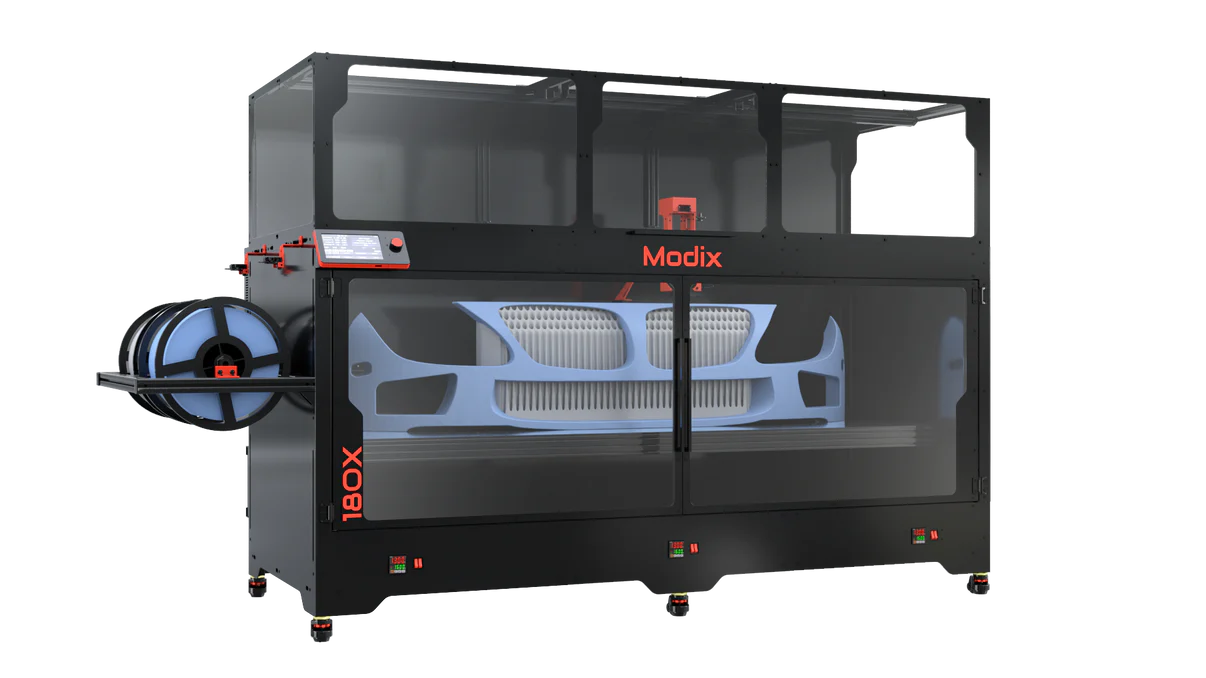
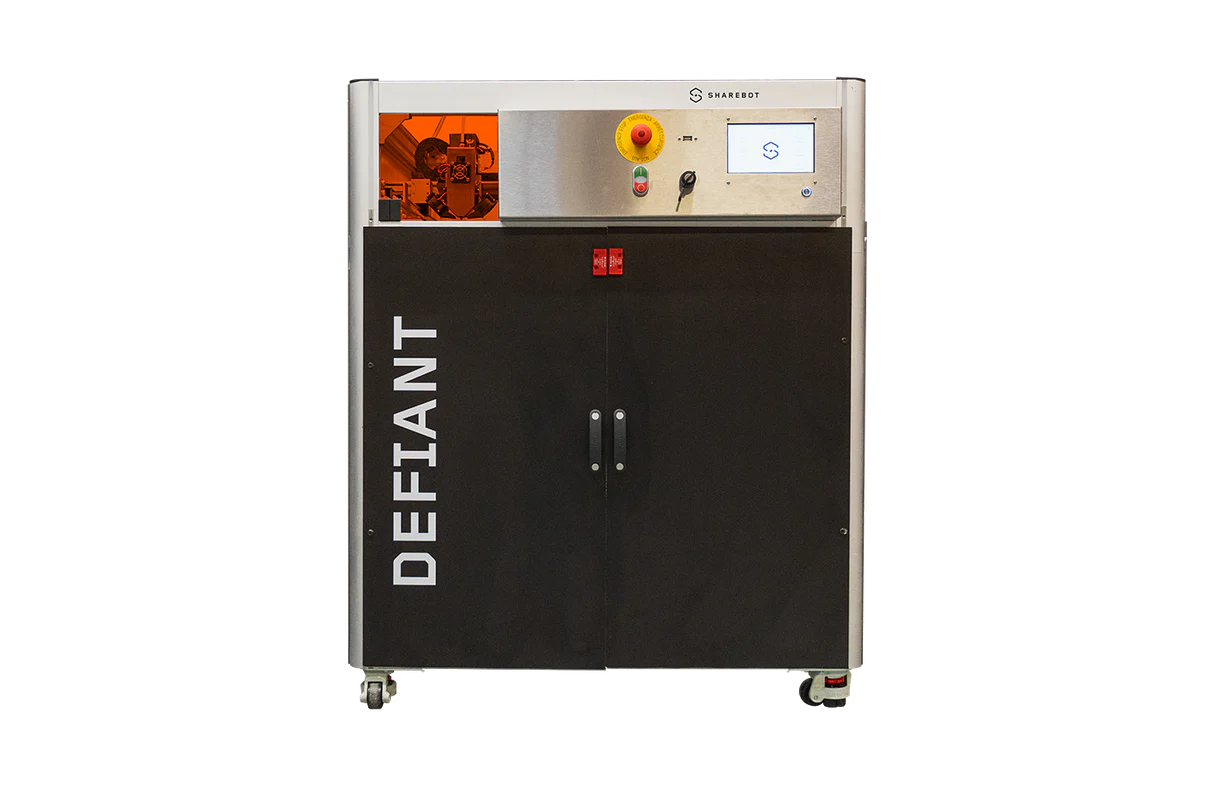
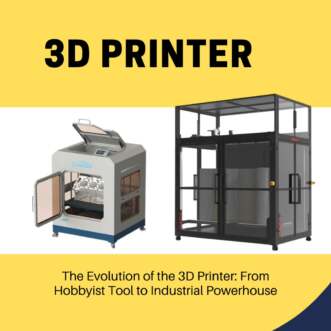
The Fused Deposition Modelling FDM machines, which are designed for entry-level professionals, begin at a price range of £1,500 to £5,000. The industrial-grade Fused Deposition Modelling systems, which operate with engineering materials such as PEEK, ULTEM and high-temperature composites, start at a cost of £20,000.
Resin / SLA / MSLA Desktop resin printers are relatively cheap. Industrial SLA machines capable of production-quality output start from around £15,000 and scale up significantly for large-format systems.
SLS (Selective Laser Sintering) SLS 3D printers are a different conversation entirely. A proper industrial SLS system — the kind producing strong, functional nylon or composite parts without support structures — typically starts around £50,000–£80,000 and can go well beyond that for high-end platforms. The payoff is production-quality parts with excellent mechanical properties.
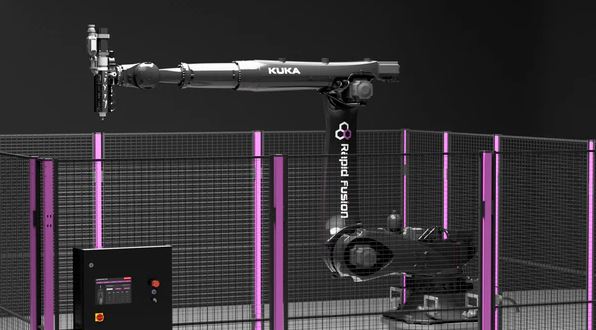
Robot 3D Printers Robot 3D printing (robotic arm-based additive manufacturing) sits at the top end of the market. These systems are built for large-format, high-throughput production and represent a genuine shift in what’s possible with additive manufacturing at scale.
The Costs That Don’t Show Up in the Quote
This is where many buyers get caught.
Materials — Industrial 3D printing materials are not cheap. Certified engineering filaments, SLS powders, and high-performance resins can cost significantly more per kilogram than you’d expect, and some systems lock you into proprietary materials.
Installation and training — Getting a machine up and running properly takes time. Factor in installation, calibration, and training your team. Some suppliers include this; many don’t.
Maintenance and support — Industrial machines need servicing. A maintenance contract on an SLS or metal system isn’t optional if you’re running it seriously — it’s a cost of doing business.
Software — Slicing and print management software is often an additional cost, and some platforms require ongoing licences.
Post-processing — Almost every industrial 3D printed part needs some post-processing. Support removal, surface finishing, and heat treatment. Budget for equipment and time.
SLS Specifically: Why the Price Is Justified
People sometimes baulk at SLS 3D printer prices, but the technology earns its cost quickly for the right applications. No support structures mean complex geometries can print freely. Part density and mechanical performance are genuinely impressive. You can nest multiple parts in a single build, which improves throughput considerably.
For functional prototyping, short-run production, and parts that need to perform under stress, SLS is hard to beat, and the total cost per part, when you factor in material efficiency and part quality, is more competitive than the machine price suggests.
Don’t Buy on Price Alone, Buy on Fit
The wrong machine at a low price costs far more than the right machine at a higher price. An industrial SLS system sitting idle because it doesn’t suit your workflow is a very expensive mistake.
Find the Right 3D Printer for Your Budget at Evo3D.
At Evo3D, the approach isn’t to sell you the most expensive machine on the shelf; it’s to make sure you’re buying the right one. The team offers impartial advice, hands-on demonstrations, and support from day one.
Explore the full range and get transparent pricing at Evo3D.